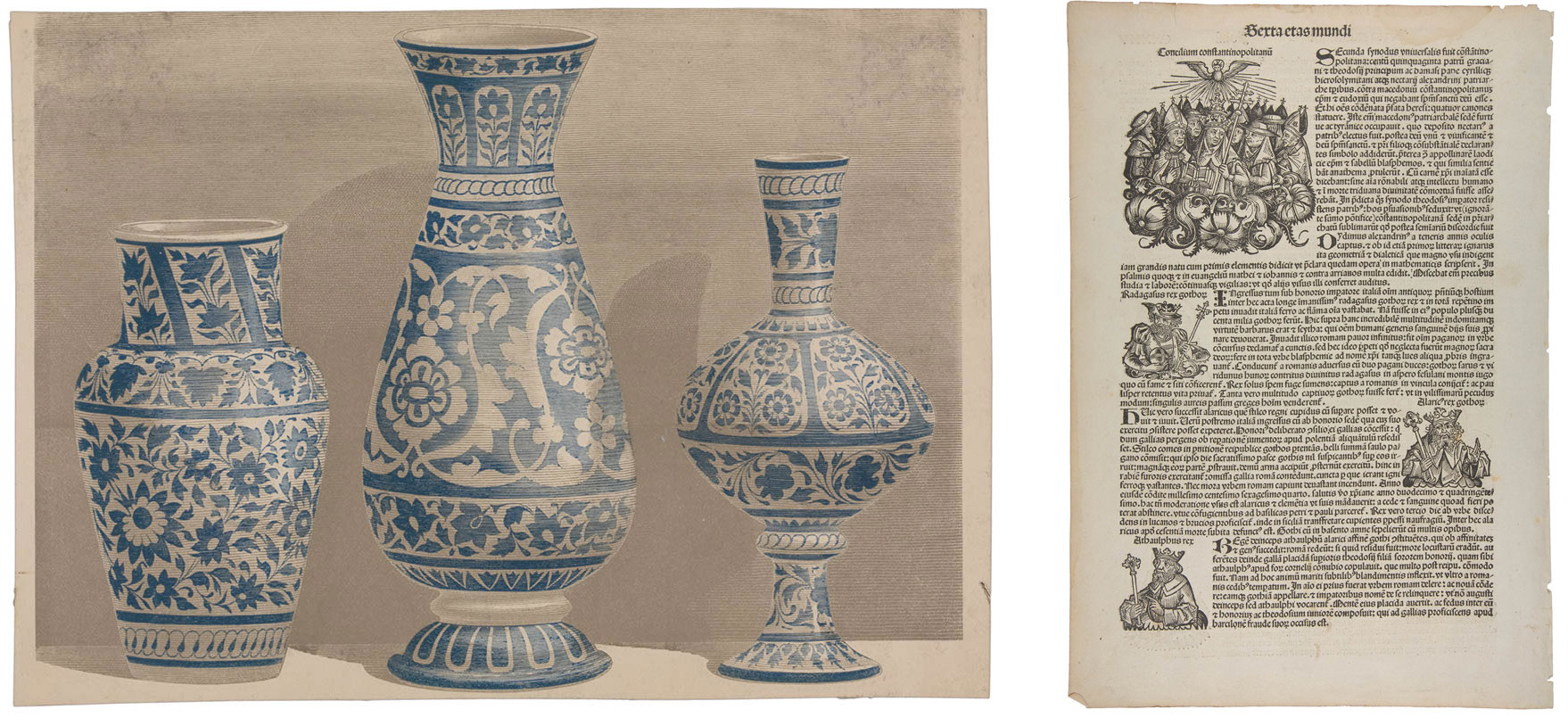
Examples of Relief
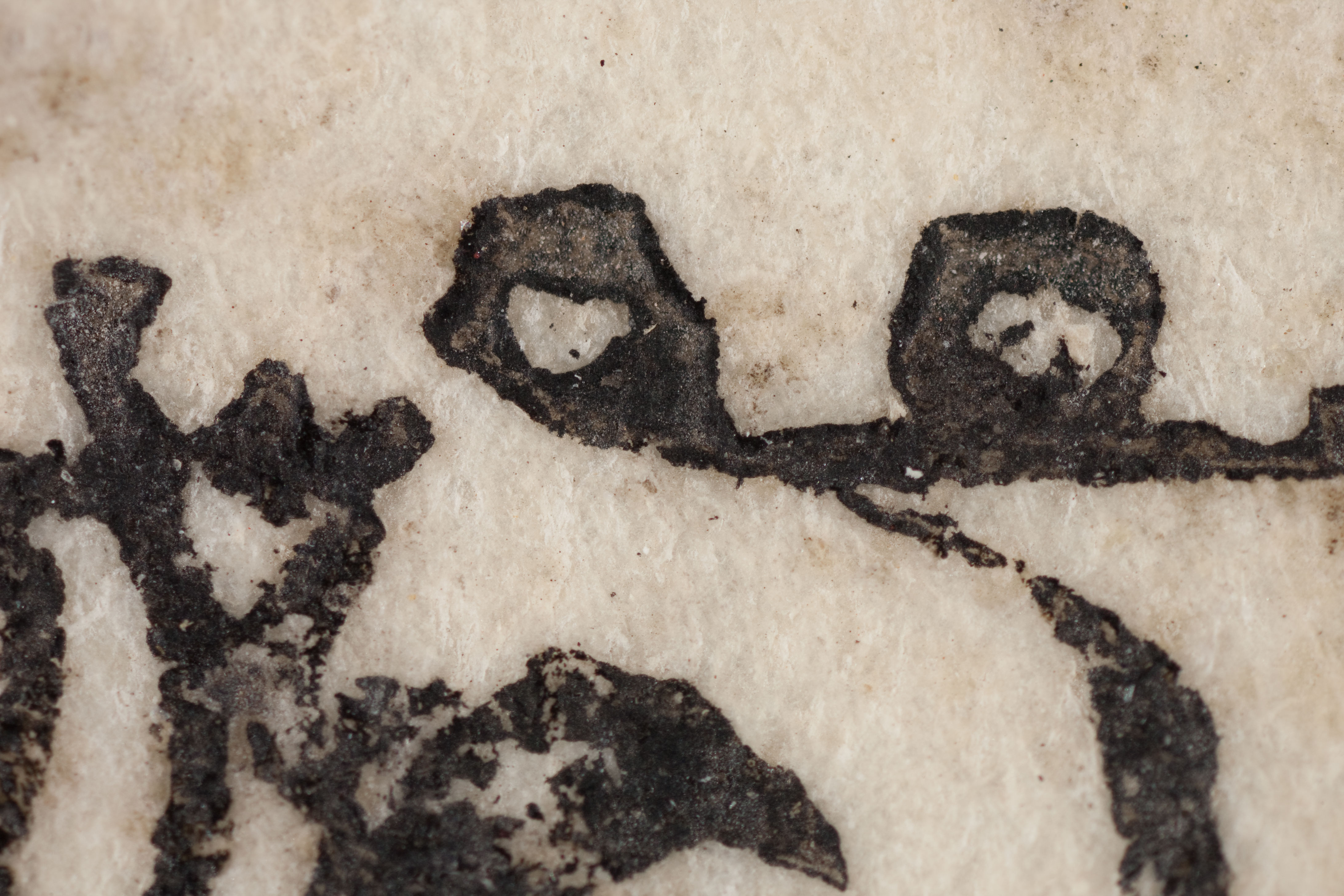
Ink squash
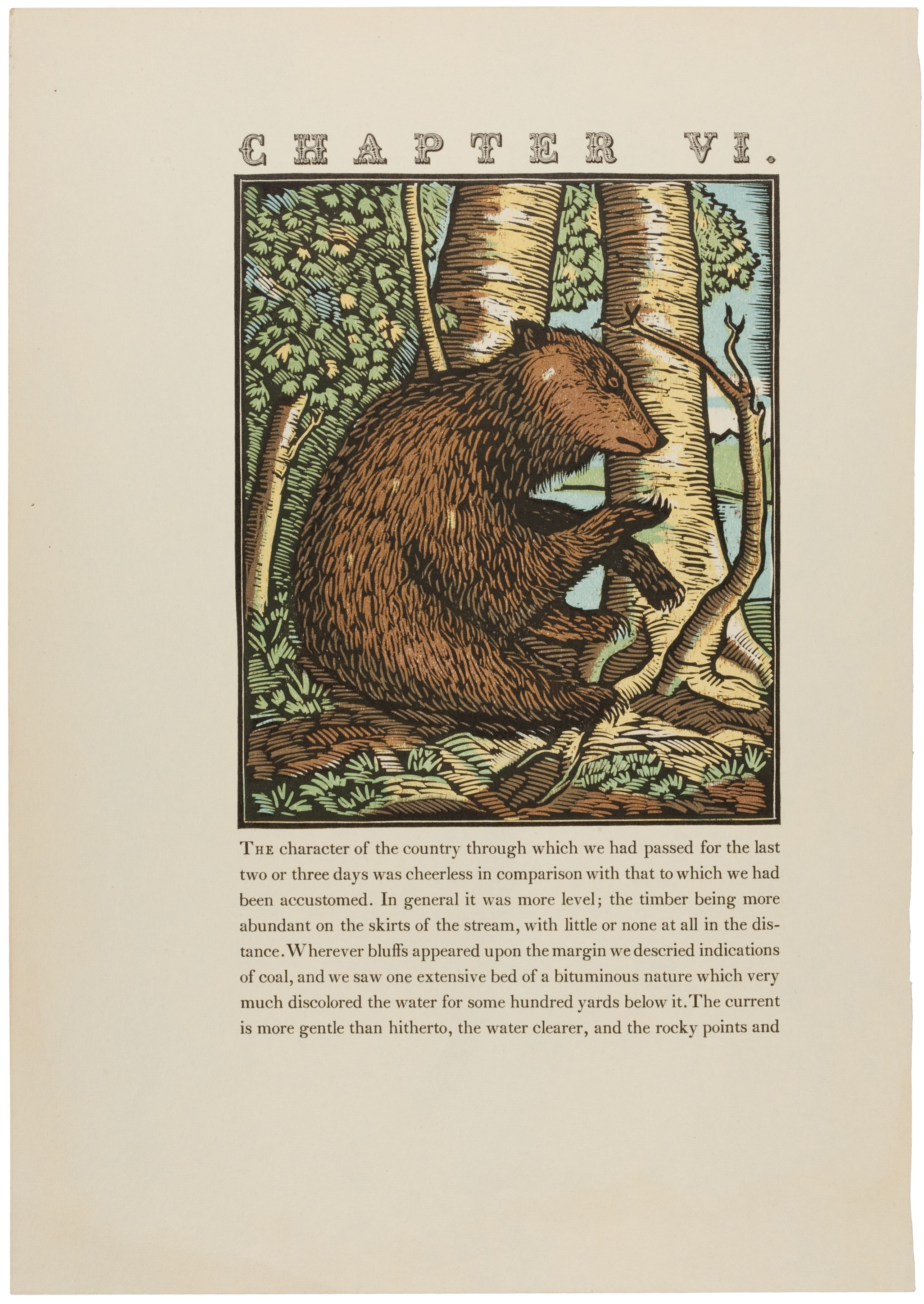
Text printed with image
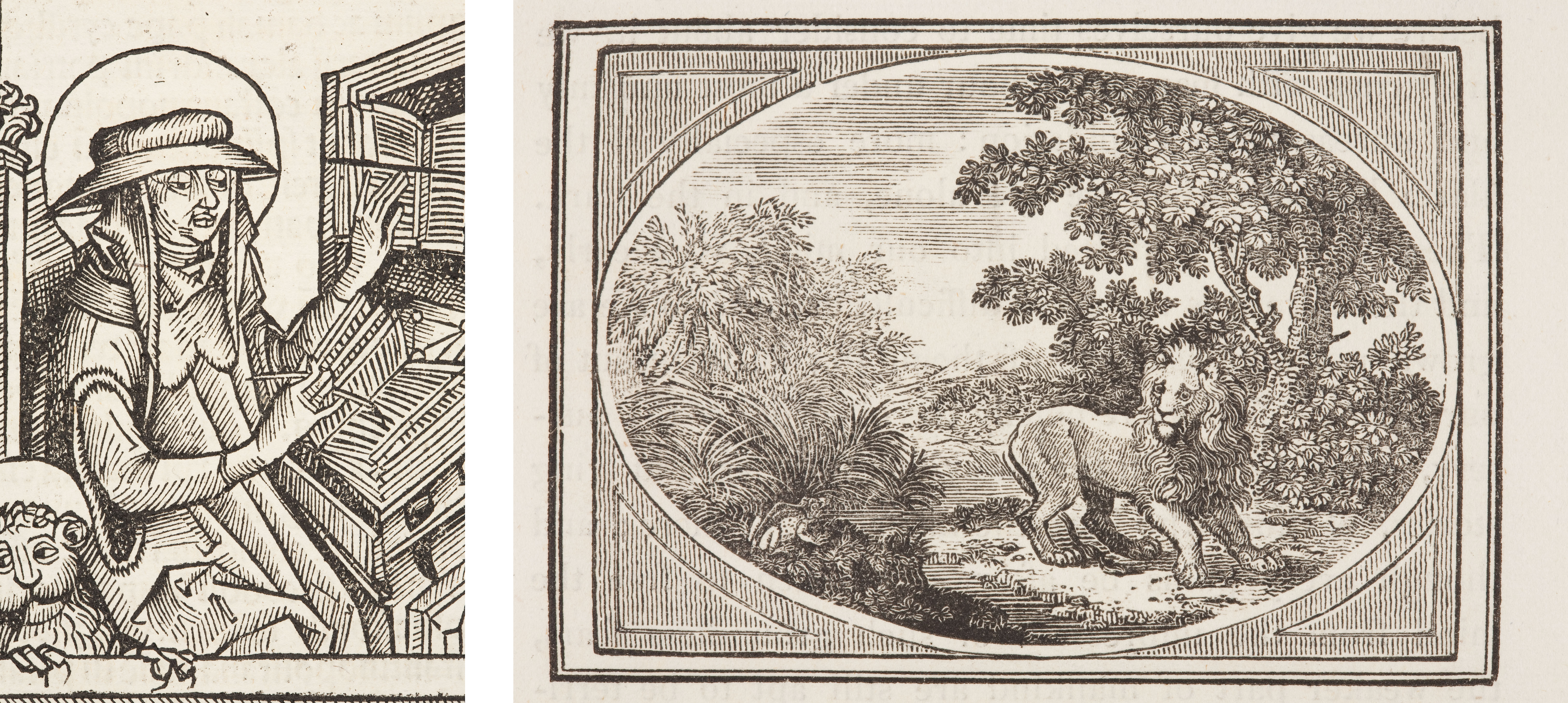
Line quality
Common Use Dates: 1400-1600; 1800-1900
Alternate Names: Woodcut, Wood engraving, Tinted wood engraving, Xylography, Chromoxylograph, Photoxylograph, Metalcut
Mistaken For: Intaglio (line engraving); Planographic (lithograph)
Process Family(s): Prephotographic, Ink, Print
A relief print refers to the way in which the printing matrix, or block, was made. A relief printing matrix is made by cutting the non-image areas, or negative space, of the image out of the surface of the printing block leaving the image to be printed in relief; the lines that hold the ink to be printed are raised above the non-image areas of the block. Typically this is done by a craftsman who carves into a wooden block. While wood is the most common material for creating the printing matrix, there are variations that use other materials such as metal and linoleum. Relief prints are typically further defined by the type of block from which they were printed, such as woodcut, wood engraving, metalcut, or linocut. However, identifying exactly what kind of block was used to make a print can be difficult, if not impossible, in some instances. Dating the print can be helpful but does not always provide a clear answer.
To print the image, ink is dabbed or rolled onto the surface of the block. The ink is relatively stiff and does not sink into the recessed parts of the block. The support, usually paper, is placed in contact with the inked block and the ink is transferred to the support. Images could be printed in a couple of ways. Eastern prints and early European prints were printed by placing the block inked side up, placing the support on top of the block, and rubbing the back of the support with a spoon or special tool, creating slight pressure and transferring the ink to the paper. Beginning in the 15th century in Europe prints were made in a printing press. There are many different designs for presses throughout history, but essentially they have similar basic components: a horizontal platform called the bed, a protective covering of soft cloth called a tympanum, and a slab that applies pressure called a platen. The relief block along with text are placed on the bed and inked. Damp paper is laid on the inked block and text and covered with the tympan. The platen is brought down, applying pressure pushing the paper into the block and transferring the ink to the paper. Improvements to presses in the 1840s allowed paper to be printed dry.
The earliest relief process is the woodcut. The image was drawn onto the plank side (cut along the grain) of a wooden block. The areas around the drawn lines were carved away using a chisel for large areas and a knife for more detailed areas. The grain tended to crumble, requiring the craftsman to cut towards himself, and making it difficult to create detailed images. The first woodcuts were made in the 8th century in China and in the 15th century in Europe. By the 1600s the popularity of the woodcut began to decline in Europe and the US due to the rising popularity of intaglio printing. Woodcuts continued to be popular in the East, particularly Japan, beginning in the 18th century. The process enjoyed a revival in Europe and the US in the late 19th and 20th centuries as an artist’s medium.
Wood engraving, introduced in the late 18th century by Thomas Bewick, brought a resurgence in relief printing. The wood engraving process used intaglio engraving tools, such as the burin also called a graver, to cut the image out of the end grain of hard woods like boxwood. Several blocks of wood would be bolted together to create one large block. The harder wood allowed for more detail and the use of engraving tools allowed the craftsman to cut away from himself. While Bewick created original works of art, subsequent uses of the process were primarily reproductive. Advances in several technologies led to improvements and variations in wood engraving. The use of mechanically produced metal blocks began in the 19th century. For stereotyping, a metal surrogate was made from the original wood engraving by making a mold of the wood block and pouring hot metal into it, resulting in an exact copy of the original in thin metal. Advantages included the ability to make multiple copies which could be printed on multiple presses without the worry of wearing out the original. Electrotyping was introduced as another method of making multiple surrogate matrices in metal. A soft material, such as wax, was coated onto a metal plate and the image was drawn into the wax. The wax was coated with graphite and then copper was deposited onto the wax electrochemically.
Beginning in the mid-19th century photography began to play an important role in relief printing. Initially the image was drawn onto the block before carving but in the late 1850s a photographic image could be printed or transferred onto a wooden block and the block was manually cut using the photographic image as a guide. These prints have a distinctively photographic quality to them. The marriage between photography and relief printing evolved so that by the late 19th century wood engraving was replaced by photomechanical half-tone and line block processes. However, relief printing has continued to be used by artists. Variants of the relief process such as the linocut, an image carved into linoleum, became popular in the mid-19th century. It was adopted by artists in the 20th century and continues to be used today.