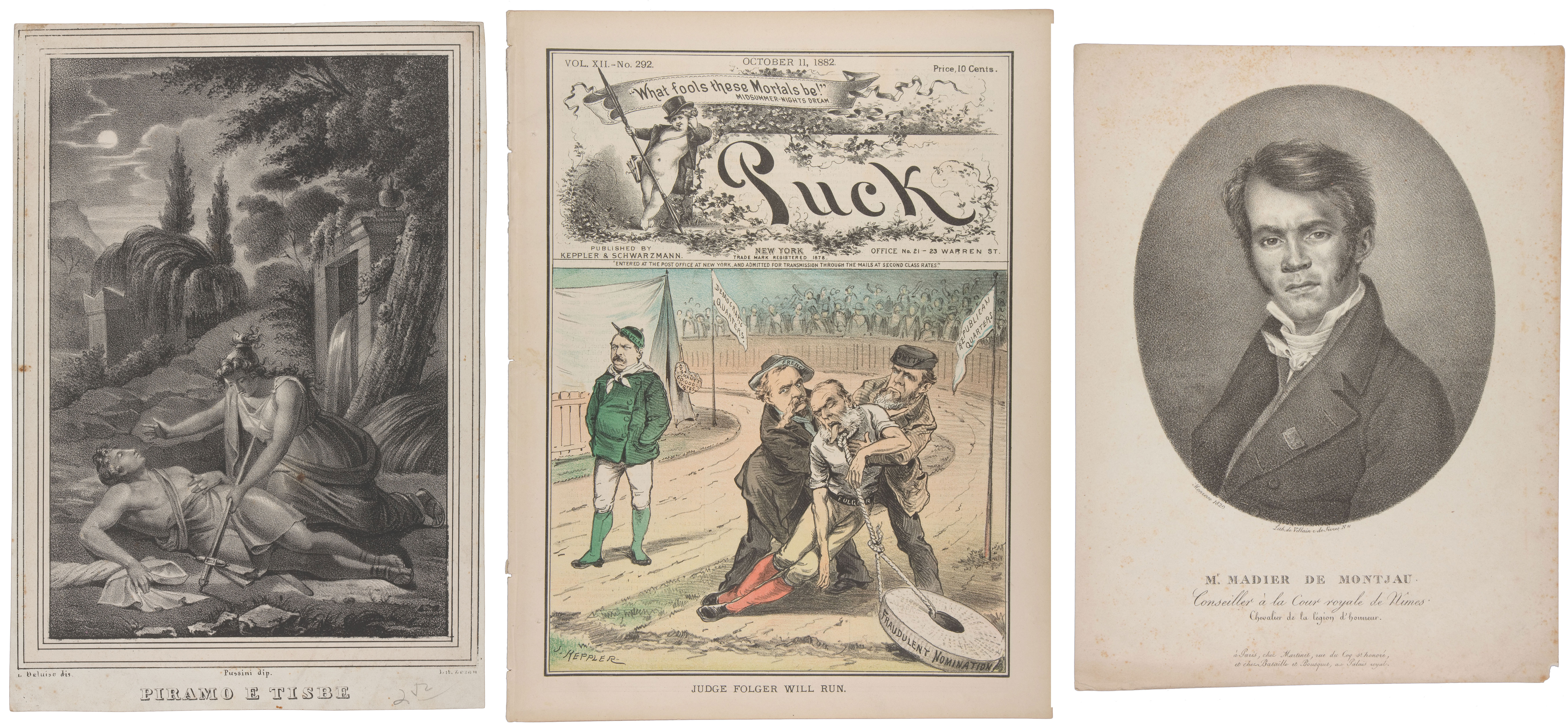
Examples of Planographic Prints
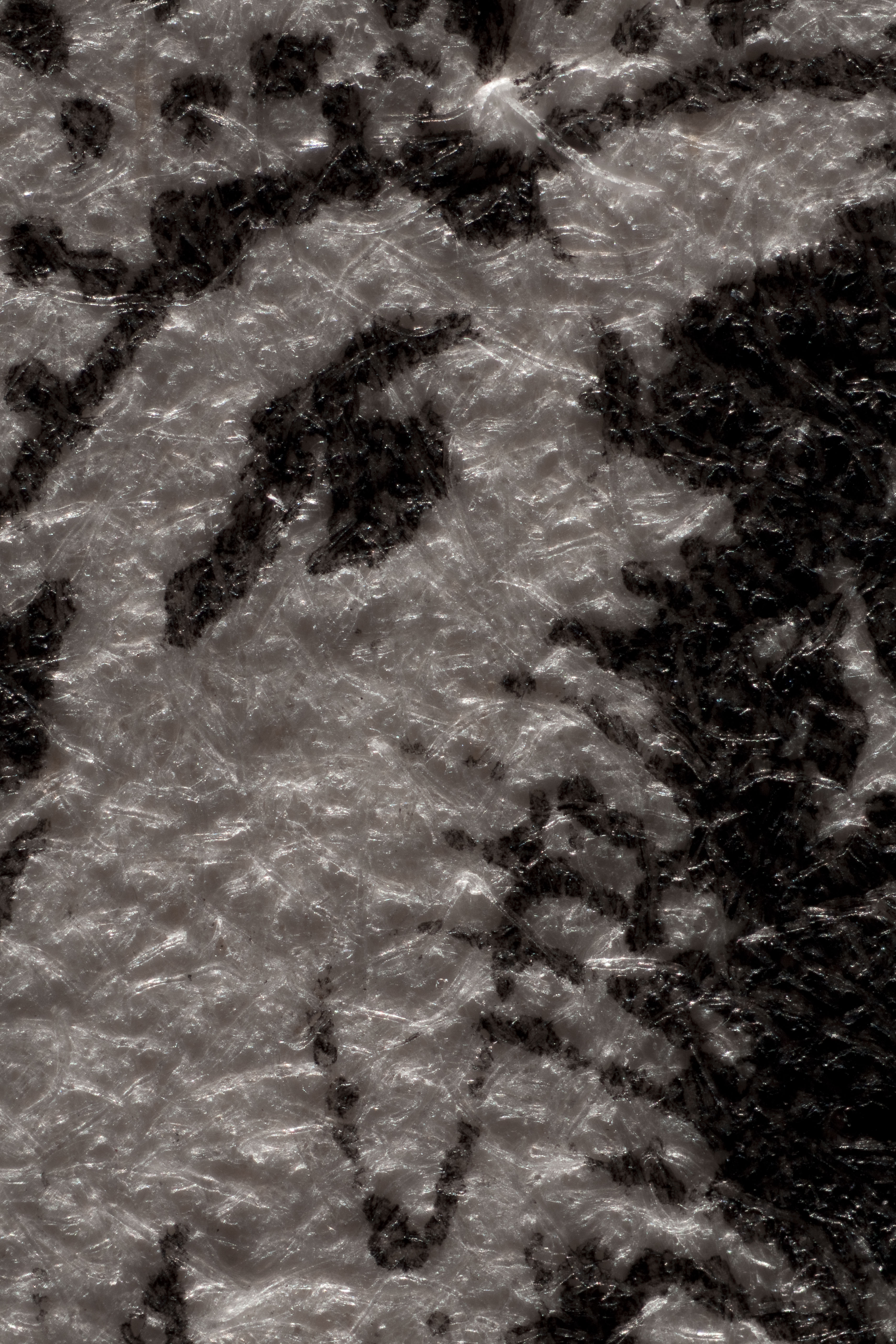
Ink and paper on same plane
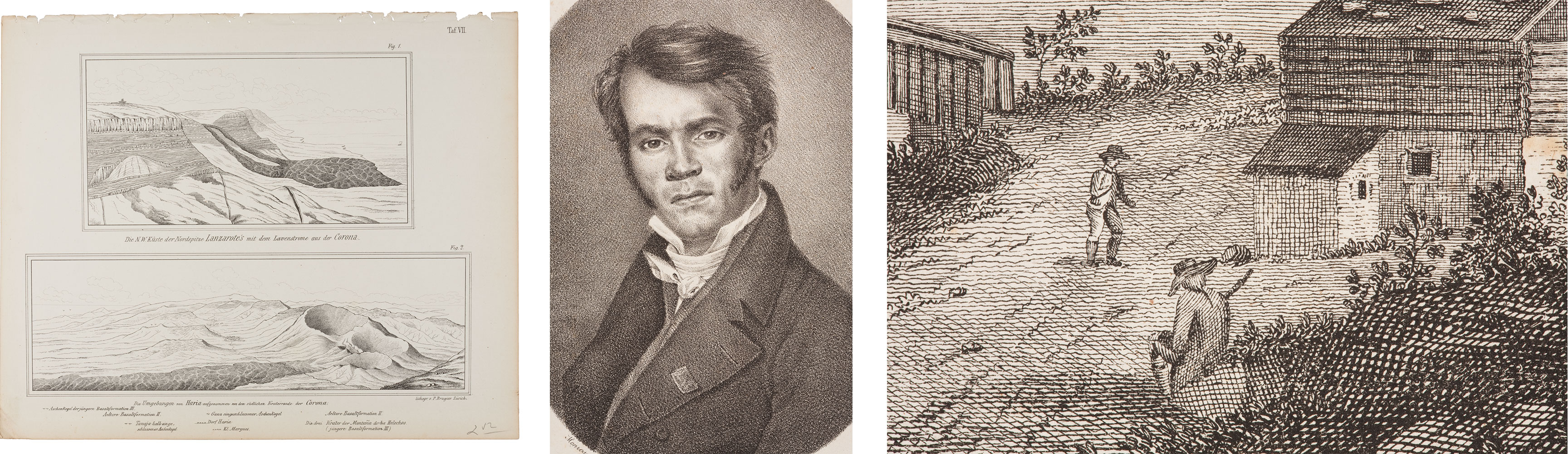
Versatility of drawing technique
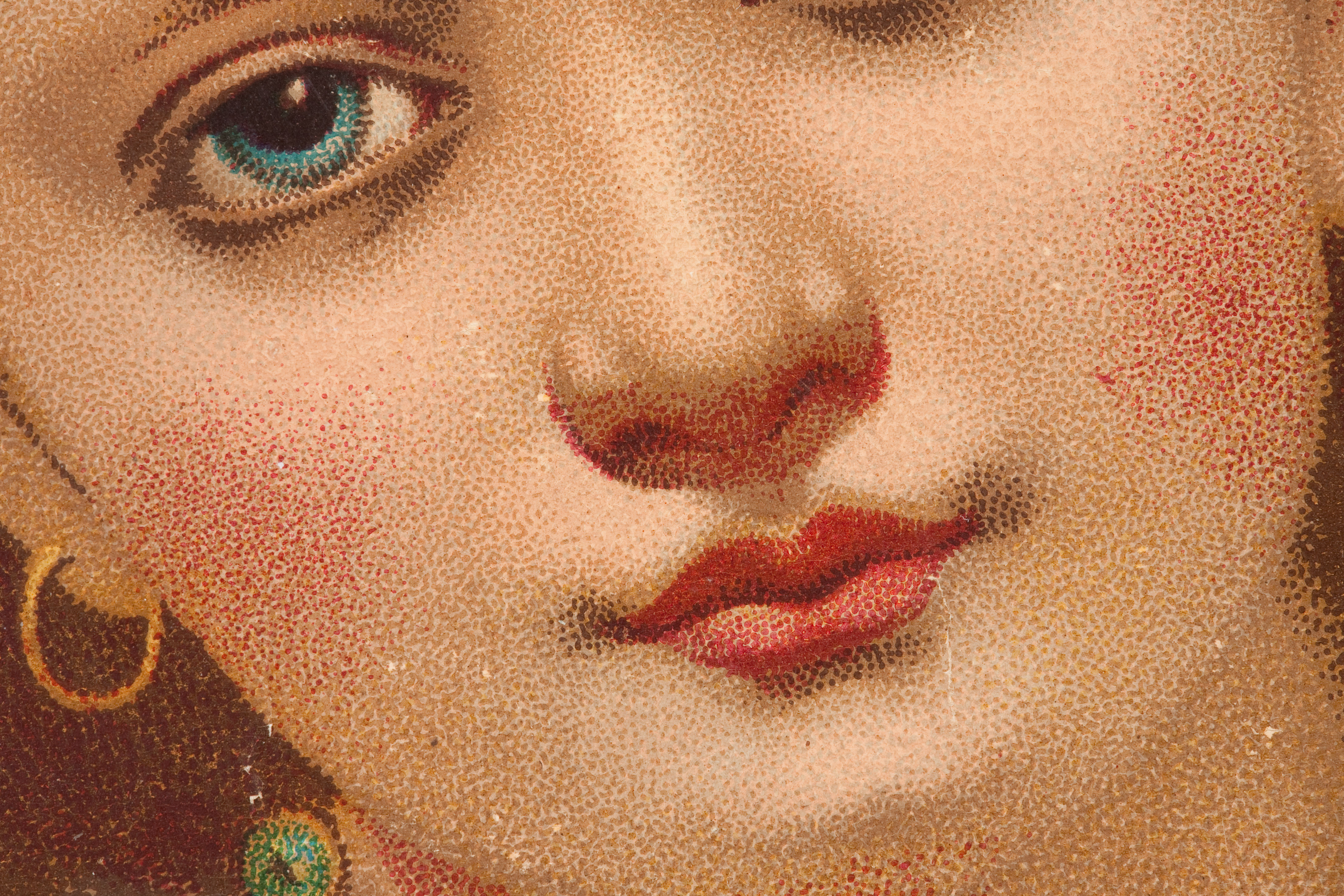
Irregular stippling, some color lithographs
Common Use Dates: 1820-1930
Alternate Names: Lithography, Chromolithography, Tinted lithography, Chalk-manner Lithograph, Pen and Ink Lithograph
Mistaken For: Intaglio, Relief, Line Drawing, Chalk/crayon Drawing, Ink Wash
Process Family(s): Prephotographic, Ink, Paper
Lithography is the most common planographic process. It is different than the other pre-photographic processes because it uses chemistry to create a printing surface rather than purely mechanical means. It is based on the fact that oil and water repel one another. To make a lithograph, a smooth piece of limestone, called a lithographic stone, was prepared by applying the image in a greasy medium, usually crayon or greasy ink. Although limestone is naturally porous, the surface of the stone was then etched with dilute nitric acid followed by a gum arabic wash in order to make the stone more receptive to water. The greasy ink image protected the stone and the non-image areas were etched. The stone was dampened and the water was repelled by the greasy ink in the image areas and formed a thin film in the non-image areas. Greasy printing ink was rolled over the surface of the stone; the printing ink adhered to the image areas and was repelled by the water soaked non-image areas. The stone was then printed onto paper in a lithographic press. The press had a bed that could be raised and lowered to accommodate stones of different heights. The paper was dampened and placed in contact with the inked stone. A sheet of cardboard and a thin sheet of metal were placed on top of the paper. The bed was then rolled under a bar that applied even pressure causing the ink to transfer to the paper.
Lithography was introduced in 1798 by a German playwright named Alois Senefelder. Some sources indicate that he came up with the idea serendipitously when he wrote his laundry list on soapstone with crayon, other sources indicate that he accidentally discovered he could make copies of his scripts by writing them on slabs of limestone with crayon. The process grew in popularity throughout Europe and the United States in the early 19th century. Lithography was extremely versatile—the image was drawn or painted onto the stone using familiar artists’ tools like crayons, brushes, and pens. Alternately, transfer lithography meant the image could be applied to special transfer paper by drawing or printing on the paper using an intaglio plate or woodblock. The image was then transferred to the stone. Lithography was fast and inexpensive compared to other printmaking techniques such as intaglio and relief. A printer could produce about 50 lithographs an hour with a manual press. As printing technology improved, between 1,000 and 3,000 prints per hour could be made with a steam press.
Lithographic images can be difficult to distinguish from other graphic processes because familiar tools were used to apply the image to the stone, resulting in images without unique aesthetic characteristics. The most important identifying feature is the relationship between the ink and the paper—they are on the same plane. In contrast, in intaglio prints the ink rests above the paper and in many relief prints the printed image is slightly embossed into the paper.
Lithographic prints are often further defined or named after the primary technique used to apply the image to the stone—if the technique can be determined—such as pen and ink style, chalk-manner, stone engraving, lithotint, or chromolithograph.
Pen and ink and chalk-manner are the most prominent styles of lithographic drawing. Pen and ink style lithographs closely resemble pen and ink line drawings. They are made by simply drawing the image onto the stone with a pen or brush charged with a special greasy ink. A brush is usually used for creating broader lines.
Chalk-manner lithographs were made to mimic chalk drawings. The image was drawn on a roughened stone with a greasy crayon. The crayon adhered mainly to the stone's peaks, producing broken lines and areas of shading. The crayon could be applied to the stone with varied pressure to create a variety of tones. Initially a laborious technique of repeated cross hatching was used to build up tonal density. Later this was simplified using a dabber to apply ink to the stone for larger tonal areas, marking out highlights with gum arabic.
Stone engraving resembles etching in both appearance and technique. The stone was covered in a water-soluble ground and drawn into with a sharp needle. The greasy medium was applied and attached to the exposed areas of stone drawn by the needle. The ground was washed and the stone was then etched, wetted, inked, and printed.
The spatter technique is more unique to lithography. A toothbrush charged with ink or an airbrush was used to spray drops of ink onto the stone resulting in drops of varying sizes. This was favored by Toulouse-Lautrec for making his posters.
Mezzotint style lithographs are fairly uncommon. They were made by covering the stone entirely with greasy ink and then rubbing or scratching the ink away to form the image. Different tonalities could be produced by rubbing away some of the ink to create levels of gray.
A lithotint resembles an ink wash or monochromatic watercolor. Greasy lithographic printing ink was diluted with water to create varying tonal values and then applied to the stone by brush. The technique was introduced in 1840 but didn’t become popular until later in the 19th century when artists began to use it.
Tinted lithography is a color printing method which is different from a lithotint. Color was included in lithographic printing very soon after the process was invented and can be separated into two categories: tinted and color lithography. Bamber Gascoinge in his book, How to Identify Prints, defines tinted lithographs as being composed of no more than two colors printed in flat planes. A print with more than two colors, whether printed in flat or overlapping planes, is a color lithograph. To maintain clarity we will follow Gascoinge’s definition. Tinted lithographs resemble line drawings with a background wash or tint. Two or three lithographic stones were prepared—one with the line image or drawing itself (the key), and one or two with broad areas of solid tone to accentuate the original drawing. Early experimentation in the 19th century led to printing lithographs with one additional background tone, most commonly a fawn-colored tone (with highlights removed to create details through negative space), to imitate line drawings on tinted paper with highlights in gouache or white chalk. Later, multiple tint stones were used to increase the number of colors in the print and tonal drawing methods were used. Prints with more than two tints are classified as color lithographs.
In the mid to late 19th century, at the height of commercial color lithographic printing, color lithographs began to be known as chromolithographs. The term color lithograph was then reserved for the work of artists or “up-market” prints. In either case, making a color print required a separate stone for each color to be printed; up to twenty stones could be used. Typically, an outline of the image was drawn in red chalk (which was visible but not receptive to ink) and transferred to each stone. The colors were then separated by eye and transferred to the stone by a technician or artist referred to as the color-separator. The color was sometimes built up by layering colors, but often it was built up using a range of hues and tones of the same color. The ink was applied using the same techniques used in monochromatic lithography. In the mid to late 19th century, stippling (applying dots with a pen) became a common technique, giving color lithographs a dotted appearance.
Drawing or painting the image directly on the stone required the artist or craftsman to produce the image in reverse so that it would be right-reading when printed. One remedy for this was to draw the image right-reading on a lithographic stone, called the mother stone, which was then printed onto paper. The paper print was immediately run through the press again with a fresh stone, transferring the ink, and creating a daughter stone in which the image was reversed. This could be done several times so that several images could be applied to the daughter stone that were then printed at once, like labels. This also allowed for longer print runs as the original image on the mother stone was protected from the wear and tear of printing. Transfer lithography also allowed the image to be drawn right-reading. The image was made on a special transfer paper coated in a soluble substance like gelatin, which was then wetted and placed face down on the stone. The greasy ink in the image areas stuck to the stone and the non-image areas washed away. Transfer lithographs from intaglio plates were popular in the 1850s. The intaglio plate was printed onto the special transfer paper which was then transferred to stone. This coincided with the introduction of steam powered presses which allowed for very fast and inexpensive reproduction of images. Transfer lithography became an efficient and cost-effective way to reproduce not only existing intaglio images that were in high demand commercially, but also more utilitarian items like labels. Additionally, an image could be printed onto rubber which was stretched or reduced and then transferred to the stone creating enlargements or reductions.
Offset lithography was developed in the early 20th century and continues to be a dominant commercial printing process. Offset is usually used to print photomechanically produced images which bring together photographic and planographic technologies. The image is printed from the “stone,” which at this point is a zinc or aluminum plate, onto a rubber sheet and then transferred to the paper. The advantage of using a metal plate rather than stone is that it is more durable and can be wrapped around the cylinder of a rotary press. See the Offset Lithography page.